Opioid Dependence Suboxone Treatment
SUBOXONE
SUBOXONE is a medical/pharmaceutical adjunct used in conjuction with traditional forms of treatment for Opioid Dependence in addiction medicine. SUBOXONE coupled with behavioral/psychological treatment has helped millions to “Recover” from opiate addiction.
About SUBOXONE
SUBOXONE is the first opioid medication approved under DATA 2000 for the treatment of opioid dependence in an office-based setting. SUBOXONE also can be dispensed for take-home use, just as any other medicine for other medical conditions.
The primary active ingredient in SUBOXONE is buprenorphine.
Because buprenorphine is a partial opioid agonist, its opioid effects are limited compared with those produced by full opioid agonists, such as oxycodone or heroin. SUBOXONE also contains naloxone, an opioid antagonist.
The naloxone in SUBOXONE is there to discourage people from dissolving the tablet and injecting it. When SUBOXONE is placed under the tongue, as directed, very little naloxone reaches the bloodstream, so what the patient feels are the effects of the buprenorphine. However, if naloxone is injected, it can cause a person dependent on a full opioid agonist to quickly go into withdrawal.
SUBOXONE at the appropriate dose may be used to:
- Reduce illicit opioid use
- Help patients stay in treatment
by
- Suppressing symptoms of opioid withdrawal
- Decreasing cravings for opioids
-
Definitions
Full opioid agonist:
A drug or medication that stimulates activity at opioid receptors in the central nervous system that are normally stimulated by naturally occurring opioids. Examples of full opioid agonists include morphine, methadone, oxycodone, hydrocodone, heroin, codeine, meperidine, propoxyphene, and fentanyl.
Partial opioid agonist:
A drug or medication that stimulates activity at opioid receptors that does not produce the same maximal effects as a full opioid agonist. Like full opioid agonists this activity occurs at receptors that are normally stimulated by naturally occurring opioids. Under appropriate conditions, partial agonists can produce effects similar to either agonists or antagonists. Buprenorphine is a partial opioid agonist.
Antagonist:
A drug or medication that attaches to but does not activate specific receptors to stimulate drug actions or effects and can block other like-drugs/medications from binding to a receptor (e.g. an opioid receptor). Antagonists can also displace other drugs or medications. When an antagonist displaces an opioid, precipitate withdrawal can occur. Examples of opioid antagonists include naltrexone and naloxone.
The Drug Addiction Treatment Act of 2000 (DATA 2000):
The Drug Addiction Treatment Act of 2000 (DATA 2000) expands the clinical context of medication-assisted opioid addiction treatment by allowing qualified physicians to dispense or prescribe specifically approved Schedule III, IV, and V narcotic medications for the treatment of opioid addiction in treatment settings other than the traditional Opioid Treatment Program (i.e., methadone clinic). In addition, DATA 2000 reduces the regulatory burden on physicians who choose to practice opioid addiction therapy by permitting qualified physicians to apply for and receive waivers of the special registration requirements defined in the Controlled Substances Act.
Opioids & the Brain 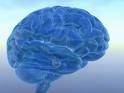
Sometimes, the best way to begin correcting a problem is to step back and examine why that problem exists in the first place. Whether the person struggling with opioid dependence is you or someone you care about, understanding this disease—what causes it, what contributes to it, and why it persists—is a key to being part of the solution.
The information here is provided to help explain and make some sense of opioid dependence, so that you feel better equipped to undertake, or help someone else undertake, the necessary steps toward treatment and recovery.
The Potential for Addiction
Rewarding survival behaviors
The human brain is designed to promote behaviors it recognizes as directly linked to its survival.
Basic life functions—such as eating and sex—stimulate receptors in the brain's "reward circuit" to release dopamine, a chemical that produces an intensely pleasurable feeling known as "euphoria."
It doesn't take long to learn that certain activities will be "rewarded"—that is, that they will prompt dopamine release and pleasurable sensation. This positive reinforcement is the brain's way of encouraging behavior important for survival.
Triggers
In addition to functioning as a reward, dopamine is also the brain's way of ensuring that the experience itself will not be easily forgotten. Dopamine release activates the areas of the brain involved in memory formation to record details about the environment where the event occurred.
Which details the brain chooses to record can range from the obvious (where the incident occurred, who was there) to the obscure (a billboard passed on the way, the temperature outside). There is no way to know ahead of time what details the brain has stored. But whatever they were, when those circumstances are encountered in the future, they will trigger memories of the good feelings produced by dopamine, and, often, a desire to recreate that experience. The technical term for these memories is "conditioned associations," but most people familiar with opioid dependence refer to them as "triggers."
Tricking the brain
The act of rewarding (also called reinforcing) a behavior increases the chances of its being repeated. This is why the most important behaviors to reward are those related to survival.
By coincidence, some drugs have molecular structures very similar to those of chemicals that naturally occur in the body. This similarity allows the drugs to activate the reward circuit, stimulate dopamine release, and cause euphoria.
One result of this euphoria is that drug-taking behavior is rewarded, thereby increasing the chances that the behavior will be repeated.
Another result of this reward is that the brain begins to think drug-taking is actually necessary for survival. To the brain, just the fact that an activity is rewarded at all means that activity must be important for survival.
The ability to activate the reward circuit accounts for some drugs being viewed as potentially addictive.
Opioids are among those drugs capable of activating the reward circuit to release dopamine and reinforce drug-taking behavior.
However, most people who use opioids do not become opioid-dependent. This suggests that, while the reward circuit is responsible for opioids' addictive potential, opioid dependence most likely involves additional factors.
Why Opioid Dependence Is a Disease
Opioid dependence is a chronic brain disease caused by complex, long-term, changes in the structure and functioning of the brain. The significant changes to brain "circuitry" common to opioid dependence have led physicians to classify it as a disease that interferes with normal brain functioning.
Most brain diseases are linked to a distinct behavioral symptom—for example, Alzheimer's disease is linked to memory loss, schizophrenia is linked to mood changes, and opioid dependence is linked to compulsive opioid use.
While a portion of opioid-dependent patients may have elected to misuse opioids at some point, this does not mean their condition is not the result of disease. Consider the following:
1. Many chronic diseases either begin or are made worse by (or both) patients' choices—for example, decisions about diet and exercise directly contribute to such common illnesses as high blood pressure, heart disease, and diabetes.
2. Regardless of whether patients' opioid use may have begun willingly, once opioid dependence takes hold, drug use is no longer voluntary.
3. Although opioid dependence is preceded by repeated use of higher and higher doses of opioids, opioid use is actually only one of several factors that causes this disease—opioid use will not "become" opioid dependence all by itself.
Compulsive drug use
Opioid cravings and opioid withdrawal are both very powerful drivers of drug seeking and use.3 However, only opioid cravings are tied to compulsive drug seeking and use. Furthermore, the intensity of cravings can drive compulsive opioid use even though a person is not physically dependent on opioids and is not experiencing any withdrawal symptoms.
Cravings also seem to be one of the last symptoms of opioid dependence to go away completely. This persistence is most likely a reflection of the time needed for the brain to heal itself and restore some degree of predisease normalcy. Opioid cravings can occur months and even years after a patient's last opioid use. Their suddenness and intensity can put patients' at risk for relapse.
Why opioid dependence affects behavior
In addition to the reward circuit, the brain has other ways to help ensure its survival. For instance, in response to a threat, survival is always the brain's No.1 priority. In a crisis, certain sections of the brain "take over."1 This is the origin of the "fight versus flight" response as well as the drives for sex and food, among other things.
The behavioral changes seen with opioid dependence may be explained by the result of a combination of different influences. One of these factors may be the brain's "belief" that opioids are related to survival. Another point to take into account is that, by the time a person develops opioid dependence, his or her brain can no longer function normally without opioids.
Under these circumstances, the motivation to obtain opioids comes from 3 places: Physical pain and discomfort caused by withdrawal symptoms
Increasing anxiety due to powerful, unsatisfied opioid cravings
Stress resulting from the brain's fear that the current lack of opioids presents a threat to its survival
Regarding this last point, even though, logically, a person may know that opioids are not essential for life, as long as those parts of the brain in charge of survival behavior still believe opioids are necessary, they may override "higher reasoning." Furthermore, to an opioid-dependent brain, not having enough opioids to satisfy cravings or suppress withdrawal is comparable to not having enough food to satisfy hunger.
The need to obtain opioids can become more important than that person's safety because opioid-dependence can impair the mechanism by which information from certain areas of the brain—namely, those involved with judgment and caution—is received. The brain responds by taking whatever steps are necessary to see that its opioid "hunger" is met, which usually means pursuing opioids with all the drive of a basic instinct.
Role of Medicine in Treatment
Medicine is important for managing both the short- and the long-term effects of opioid dependence. Over the short term, medicine can help to relieve the opioid cravings and withdrawal symptoms that occur when use of heroin or opioid painkillers is discontinued. Medication can also be important over the long term as well.
Typically, the changes that cause opioid dependence will not correct themselves right away, even though the opioid use has stopped. In fact, these changes can trigger cravings months and even years after a patient has stopped using opioids. Consequently, overcoming opioid dependence is not simply a matter of eliminating drugs of abuse from the body.
The CSAT Clinical Guidelines for the Use of Buprenorphine recommend that patients stay on medication after they have "detoxed" from their drug of abuse. This gives patients time to learn new skills that can help them cope with cravings and other triggers that might otherwise make them vulnerable to relapse.